
Capitol Reef National Park
Things To Do
-
Camping
As one of Utah’s less crowded national parks, there is plenty of camping to choose from. Start your day nestled beside the Fremont River in the lovely Fruita Campground, or explore the two free primitive campgrounds further into the park.
-
Canyoneering
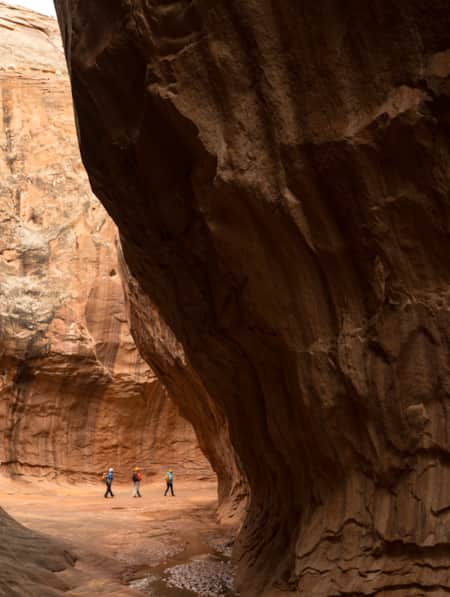
Utah is known around the world for its spectacular slot canyons, many of which are found in Capitol Reef National Park. Explore the park’s most popular routes, learn about the required permits, and prepare for your trip here.
-
Hiking
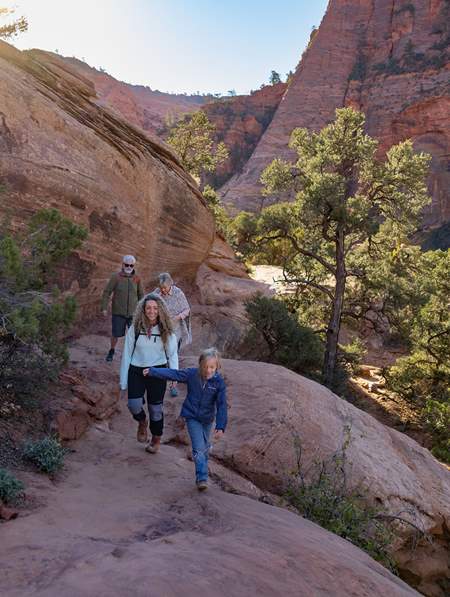
For travelers who find serenity in seclusion, Capitol Reef’s sprawling red rock hiking may be tough to beat. There are plenty of hiking trails out of the Fruita area and along the scenic drive to spread out and experience the varied environments of Capitol Reef. Or spend the day winding through the park’s awe-inspiring slot canyons.
-
Scenic Drive
In many parks the most beautiful destinations can’t be seen from the road. That’s not the case at Capitol Reef. Ramble down the 8-mile Capitol Reef Scenic Drive for breathtaking viewpoints and more likely than not, some great conversation. The Scenic Drive is a paved road, suitable to passenger vehicles. Beyond the paved road are two dirt spur roads, Grand Wash and Capitol Gorge. These dirt spur roads enter canyons and lead to trailheads, and are usually suitable for passenger cars and RVs up to 27 feet in length.
-
Slow Down
Capitol Reef isn’t the type of place that calls for a packed itinerary. Slow down a bit while you’re here — visit the Pioneer Register site to see the names of historic miners and settlers, or visit the historic district of Fruita to pick fruit from its orchards.
-
Winter Activities
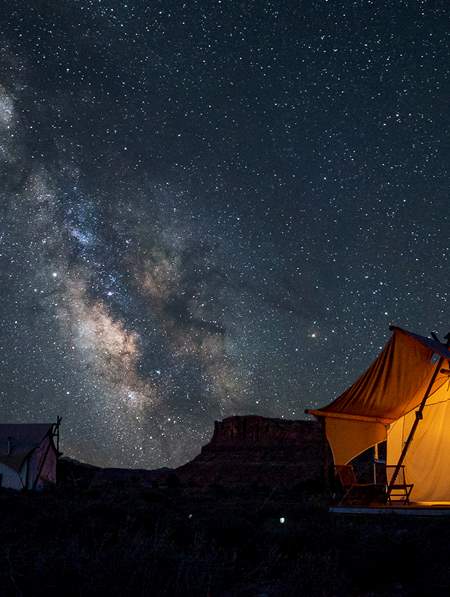
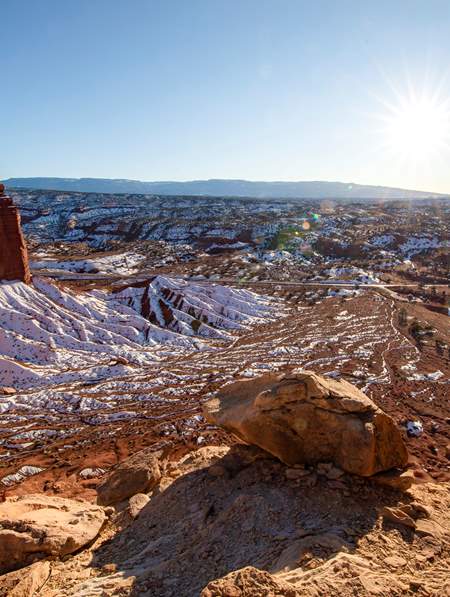
Towering red rocks dusted in snow, often set against bright blue skies, welcome winter visitors to Capitol Reef National Park. Skip the summer crowds and bundle up for an unforgettable winter adventure. Soak up incredible views along the park’s scenic drive or gear up and head out on a wintry hike. After the sun sets, watch dazzling stars shimmer against a brilliant and crisp night sky.
Discover
-

Capitol Reef Petroglyphs
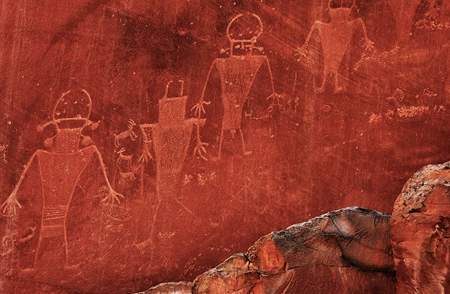
Capitol Reef is home to towering sandstone structures and impressive canyons, but it also holds many ancient petroglyphs, which are engraved etchings into rock walls.
-
How to Visit Capitol Reef National Park
Find tips, maps, weather, fees, grocery stores and directions to the Capital Reef National Park Visitor Center.
-
Things To Do In Capitol Reef
From a relaxing night spent stargazing to belaying down a canyoneering route, Capitol Reef has a new adventure waiting.


More Capitol Reef Inspiration
-
10 Top Stops Along the National Pioneer Mormon Heritage Area
Here are 10 of the best stops along Utah's Mormon Pioneer National Heritage Area’s backroads and byways. Explore rich Mormon historic sites, awe-inspiring canyons and mountains and unforgettable outdoor adventures.
-
5 Expert Tips to Prepare for Your Utah National Parks Adventure
If you’re planning to visit Utah national parks for a hike, learn important tips to maximize your experience and keep you and your family safe.
-
5 Places You Can Try Glamorous Camping in Utah
Experience the fun and adventure of glamping — camping with a side of luxury.
-
A Van Lifer’s Guide to Responsible Travel in Southern Utah
When Utah’s dirt roads are calling you, it’s time to plan your van life road trip. Here’s what you need to know to travel safely, support Utah’s rural communities, and help preserve the delicate desert landscapes.
-
A Winter’s Desert: Visiting Southern Utah in the Slow Months
Experiencing the peace of canyon country in the winter is an attraction of its own.
-
Across a Snow-Covered Desert
Follow this itinerary for a week-long winter road trip across the snow-covered desert of Southeastern Utah.
-
Alpine Fishing Above the Red Rock Landscapes of Southern Utah
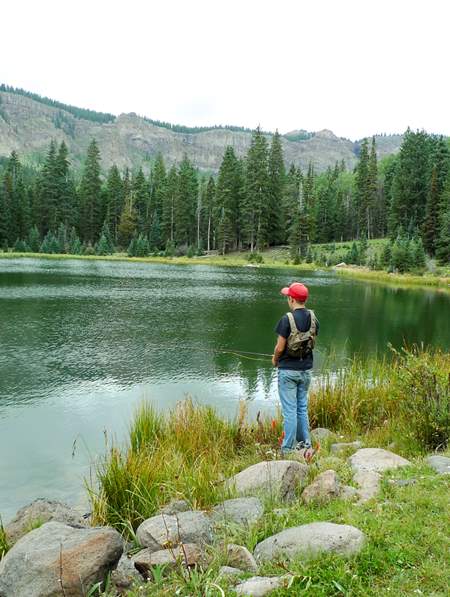
Sitting just outside of Capitol Reef National Park, this 11,000-foot peak offers views of the surrounding red canyons and desert-like region. In contrast, Boulder Mountain is heavily forested and home to more than 80 lakes, ponds, and reservoirs. With an average rainfall multiple inches more than the lower regions, the area makes for some surprisingly good fishing.
-
An Insider’s Guide to Torrey
Look no further than Capitol Reef National Park and nearby Torrey for lesser-traveled red-rock hikes, plenty of lodging options, satisfying dining and night sky as our ancestors knew it.
-
Gravity and Water: Mark Making in a Winter’s Desert with Anne Kaferle
Finding Helper at a time when she “needed it the most,” landscape artist Anne Kaferle has put down roots in Utah, thanks to plein-air painting and the healing power of time alone in the landscape.
-
Hiking the Desert in Capitol Reef National Park
-
How to Slow Travel in Utah
Avoid the mad scramble and consider slow travel as a better approach to your Utah trip.
-
Meet the Women Leading Utah's Food and Beverage Renaissance
When it comes to food and beverage in Utah, there are key influencers who have been the proponents of change, growth, and the role of women in Utah’s food scene.
-
Moonscapes, Marscapes and More
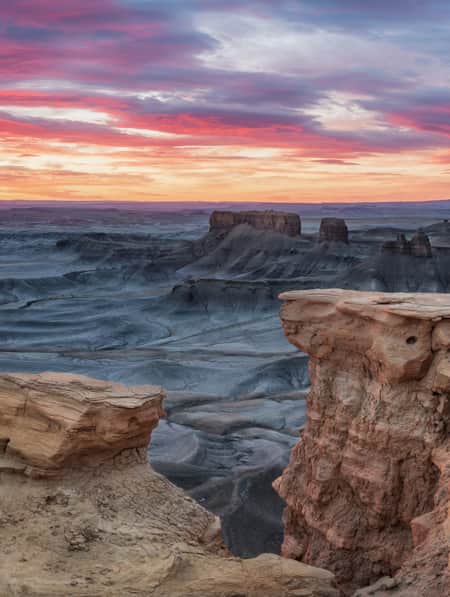
If you want to know what Mars looks like — then the dramatic terrain of Capitol Reef National Park and the surrounding lands are a good place to start.
-
Permit of Solitude in Robbers Roost
Local guide Christopher Hagedorn leads a group through Robbers Roost in Southern Utah, where wind, water and time has left a primitive maze of canyons.
-
Searching for Dinosaur Bones in Capitol Reef Country
The Hanksville-Burpee Dinosaur Quarry dates back to the Jurassic Period and is approximately 150 feet wide by 600 feet long. Hundreds of dinosaur bones have been discovered here, including those of the Stegosaurus, Brontosaurus and Brachiosaurus.
-
See the Fall Leaves Near Utah's National Parks
Sure, any of Utah’s Mighty 5 national parks are spectacular year round — covered in snow, peppered with spring wildflowers, and baked in sunshine. But find them exponentially special when the changing fall leaves are in juxtaposition to the immaculate red rock cliffs.
-
Serenity Found in Torrey and Capitol Reef’s Cathedral Valley District
Taking Southern Utah’s remote, less-traveled path in Capitol Reef's Cathedral Valley District to nurture your body, mind and spirit.
-
The All-American Road: Scenic Byway 12
This is 122.863 miles (to be exact) of pure driving bliss. Welcome to Utah’s Scenic Byway 12, a designated All-American Road.
-
The Complete Winter Camping Packing List for Staying Warm in Southern Utah
For most travelers, Southern Utah winters prevent comfortable camping, and occasional snowfall can make outdoor adventure a little more challenging. With a little extra planning, good layers, and the right equipment, however, you can enjoy Utah's national parks in the solitude of winter.
-
The Return to Robbers Roost
Are you intrigued by the old American West legend involving Robbers Roost? Want to find an alleged hideout of the infamous Butch Cassidy and Gang? Explore Utah.
-
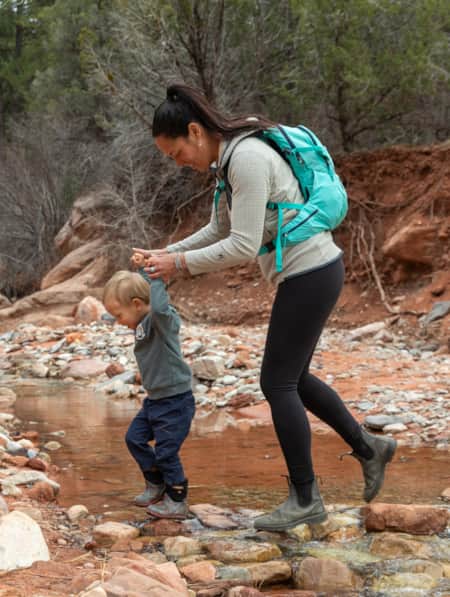
Top 10 Family-Friendly Hikes in Utah National Parks
With so many destinations, and so many trails, it can be difficult to decide where to begin in Utah's Mighty 5® national parks. Here are 10 family-friendly hikes, two per national park, you cannot miss.
-
Utah Artisan Cheeses to Try Now
Taste delicious hand-crafted cheese from Utah dairies at farmers markets, restaurants and specialty shops. Visit Utah and find your favorite artisanal cheese.
-
Utah’s Unexpected Pit Stops
Here are 11 mini-adventures to check off your list next time you’re road-tripping through Utah.
-
Walking Off the Ledge Into Capitol Reef
Capitol Reef is breathtaking, but as you stare across the ledge you realize that some of the best scenery is only accessible by dropping in, 20, 50, sometimes 100 feet or more.
-
Winter Road Trip: Where to Stay, Hike and Eat When Traveling from Capitol Reef to Bryce Canyon
Need winter break ideas? Take a road trip from Capitol Reef to Bryce Canyon and enjoy the best of Utah landscapes during its quiet season.











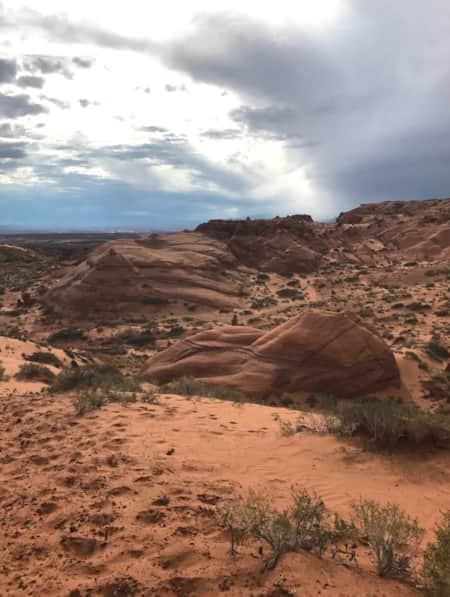


Nearby Towns
-
Torrey
Torrey's proximity to Capitol Reef National Park, the mountains of Fishlake and Dixie National Forests, Scenic Byway 12: Utah's All-American Road, sublime desert landscapes to trout-filled alpine lakes, make Torrey an outdoor lover's perfect hub for some of the most spectacular scenery and outdoor recreation opportunities in the state.
-
Boulder
Boulder, Utah, is a remote, charming town full of scenic beauty. This gateway to Grand Staircase-Escalante National Monument and Capitol Reef National Park offers relaxation and outdoor adventure.
-
Escalante
Between Capitol Reef and Bryce Canyon national parks and perched on the edge of Grand Staircase–Escalante National Monument, the town of Escalante offers access to some of the most beautiful parts of Southern Utah.
-
Green River
The city of Green River was once a stomping ground for Butch Cassidy and his Wild Bunch, and is a haven for river runners who raft places such as Desolation and Gray Canyons.


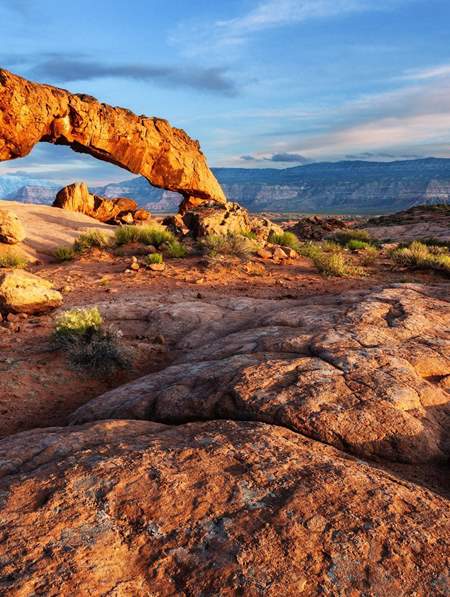

Capitol Reef National Park FAQs
Where is Capitol Reef National Park?
Capitol Reef is approximately a 3.5 to 4-hour drive from Salt Lake City. The most common route is taking I-15 South to US-50 East, then following UT-24 East. Torrey is the primary gateway. The charming town is located about 15 minutes west of the park visitor center and offers the closest lodging, gas and dining.
Where to stay near Capitol Reef National Park?
Visitors typically find refuge in the nearby gateway town of Torrey, which offers everything from the high-end Capitol Reef Resort to vintage-style motels and glamping wagons.
Where is the best place to camp in Capitol Reef?
The park's crown jewel is the Fruita Campground, which requires reservations six months in advance. Free, primitive sites at Cathedral Valley or Cedar Mesa offer an off-grid camping option in Capitol Reef. Just outside the park, Torrey offers RV parks with full hookups and hot showers and campers find dispersed camping on BLM land with unparalleled views.
What are the most popular things to do in Capitol Reef?
Visitors to Capitol Reef National Park typically enjoy hiking scenic trails like Hickman Bridge and Grand Wash, taking the eight-mile Scenic Drive to view the Waterpocket Fold, exploring the historic Fruita district to pick seasonal fruit and eat fresh-baked pies from the Gifford House, and viewing ancient Fremont culture petroglyphs.
How long to I need to explore Capitol Reef?
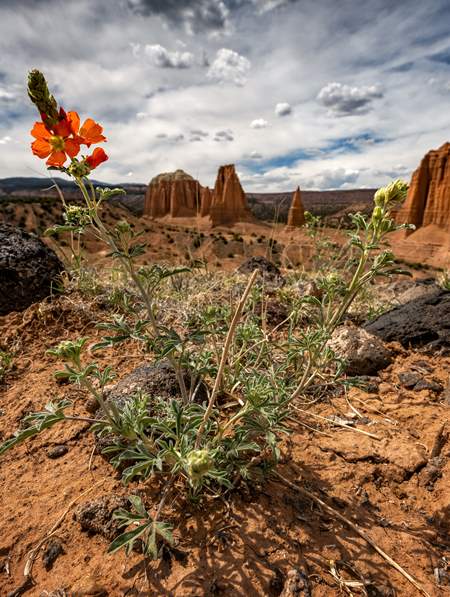
With a half-day, add the 8-mile scenic drive past the visitor center and Fruita Historic District. With a full day, and a high-clearance vehicle, you can explore the bulging uplift of rainbow-hued sandstone “reefs” and canyons of the Waterpocket Fold, or tour the Temples of the Sun and Moon and the rest of Cathedral Valley’s sculptured sandstone monoliths.
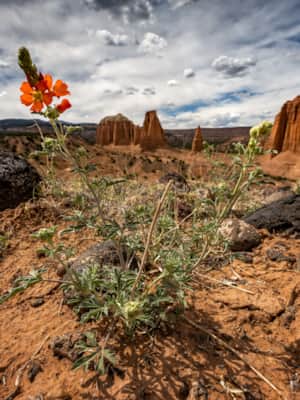
Serenity Found in Torrey and Capitol Reef’s Cathedral Valley District
Taking Southern Utah’s remote, less-traveled path in Capitol Reef's Cathedral Valley District to nurture your body, mind and spirit.

Red Rock & Dark Skies: Stargazing the National Parks
This road trip through southwest Utah takes you to four of Utah’s best places to see the Milky Way — Capitol Reef National Park, Kodachrome Basin State Park, Bryce Canyon National Park and Cedar Breaks National Monument.
Highlights
- Hell's Backbone Grill
- Bryce Canyon Lodge
- Ranger-led Star Programs
- Road Trip Southwest Utah
