Grand Staircase–Escalante National Monument
Things To Do
-
Camping
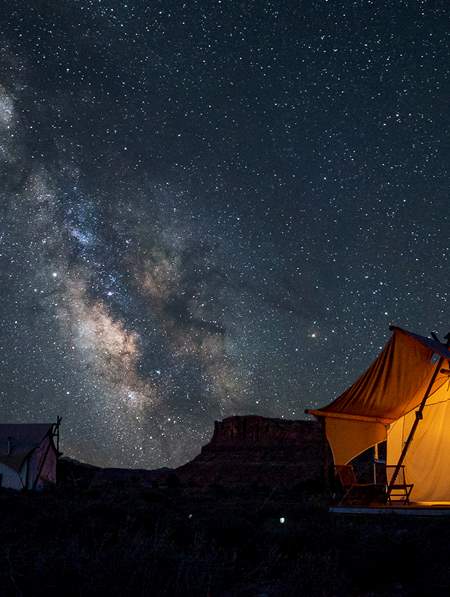
The Grand Staircase-Escalante National Monument area offers campers superb opportunities to sleep under the stars. Whether you camp in the Monument or at a nearby campground, you’ll have an awe-inspiring experience you won’t get elsewhere.
-
Backcountry Camping in Grand Staircase-Escalante
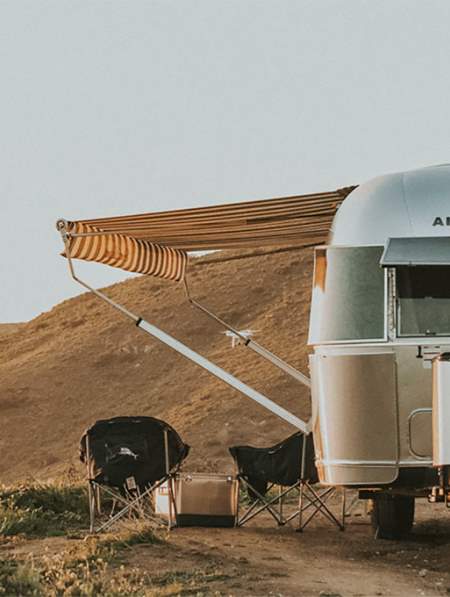
For adventurous campers, backcountry (or primitive) camping is allowed in Grand Staircase-Escalante National Monument. If not identified as a designated backcountry campsite, look for sites showing signs of prior use. Do not camp at any trailhead or within 300 feet of corrals, springs, seeps or streams. The Monument requires overnight permits for all overnight car camping. Permits are free and available at visitor centers or developed trailheads.
-
Hiking
From the premier slickrock of Escalante to the remote slot canyons of the Grand Staircase region, hiking in the Grand Staircase area is a world-class experience. Learn more about the numerous hiking trails within and near the Monument.
-
Scenic Drives
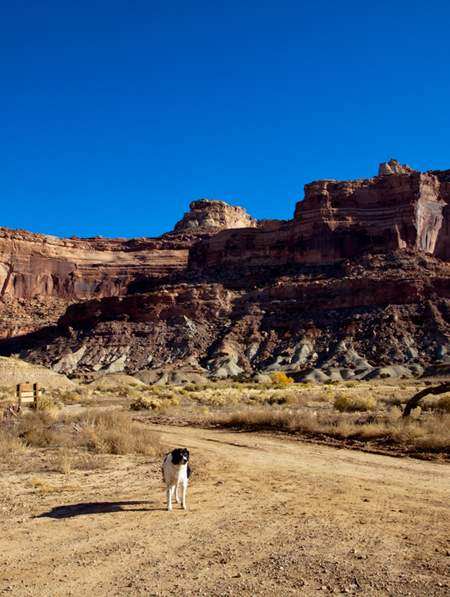
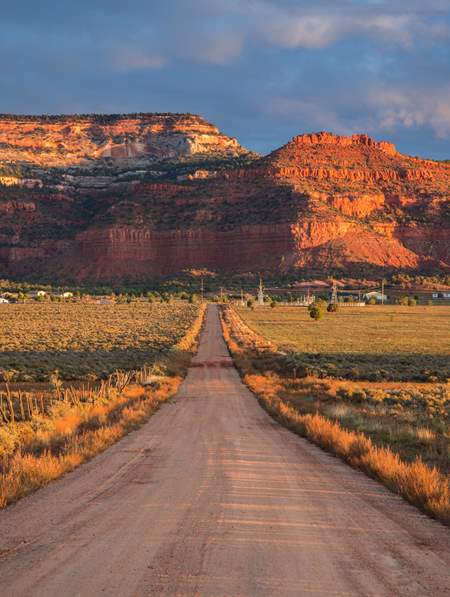
Grand Staircase-Escalante National Monument offers excellent scenic drive opportunities, especially if you don’t mind doing some miles on gravel roads. Explore all the options to decide which drive (or two) you want to take.
Explore the Regions of the Monument
-

Escalante Canyons
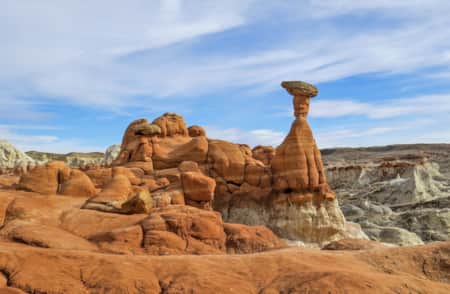
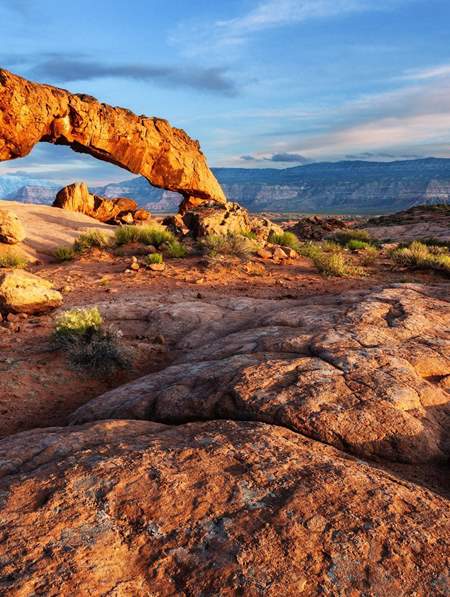
The backcountry hiking trails in the Escalante Canyons region boast attractions such as active waterfalls like Calf Creek Falls, arches, riparian oases and sculpted slickrock. Located in the northeastern section of Grand Staircase-Escalante, this area is defined by a network of narrow slot canyons, including the popular Peek-a-boo and Spooky Gulch, carved into ancient, serpentine Navajo Sandstone.
-
Grand Staircase
In the monument's southwestern region, the Grand Staircase area is renowned for its distinctive "staircase" of layered rock formations, featuring a colorful succession of cliffs that rise toward the High Plateaus. This rugged landscape is home to highlights like the massive Grosvenor Arch and the deep narrows of the Paria River, all accessible via the scenic but unpaved Cottonwood Canyon Road.
-
Kaiparowits Plateau
The Kaiparowits Plateau is particularly renowned for its sedimentary rock formations, which preserve an unbroken 30-million-year fossil record from the Late Cretaceous Era, featuring everything from ancient plant life to dinosaurs.


Nearby Basecamps
-
Boulder
Boulder, Utah, is a remote, charming town full of scenic beauty. This gateway to Grand Staircase-Escalante National Monument and Capitol Reef National Park offers relaxation and outdoor adventure.
-
Kanab
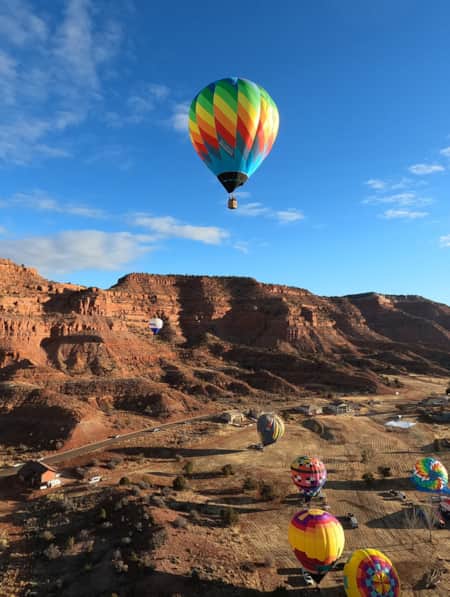
Kanab, Utah is classic American West, surrounded by towering Navajo sandstone cliffs and vistas of sagebrush. Kanab's self-proclaimed title, "Little Hollywood," is fitting for its many abandoned film sets.
-
Escalante
Between Capitol Reef and Bryce Canyon national parks and perched on the edge of Grand Staircase–Escalante National Monument, the town of Escalante offers access to some of the most beautiful parts of Southern Utah.

).
Quick Tips for Visiting Grand Staircase-Escalante
Know Before You Go
Voyagers find a pristine backcountry that affords excellent opportunities for solitude and unconfined wilderness recreation, along with great scenic driving opportunities and endless camping options, both developed and primitive. But wherever you travel in this magnificent landscape, whether a drive down remote desert roads or a hike up lonely canyons, you will be rewarded at the end of your trip with vivid memories and a yearning to return.
Much of the Grand Staircase region is quite remote. Very few trailheads can be reached on paved roads.
- The Escalante Canyons area is the most popular area of the monument, especially among hikers. Active waterfalls, arches, riparian oases, sculpted slickrock and narrow canyons are part of the appeal of hikes through the Escalante’s backcountry.
- The Grand Staircase area is more remote and less visited. It is spectacular and contains the most extensive network of slot canyons in Utah.
- These two areas are separated by the 1,600-square-mile Kaiparowits Plateau, which features unique sedimentary rock formations containing an unbroken record of fossils spanning 30 million years.
When is the Monument Open?
Grand Staircase–Escalante National Monument is open year-round. Visit the BLM website for visitor center hours and more travel information.
What Is the Weather Like in Grand Staircase-Escalante?
Visitors come year-round to the Grand Staircase–Escalante National Monument region, but most come during spring and autumn. Since the region is a desert environment with daytime high temperatures often reaching 95 to 105 degrees Fahrenheit almost daily from June through August, summer is the least favorable time for hiking and visiting hikers.
Escalante, Utah, spring weather (March through May) varies, with daytime high temperatures ranging from the 50s to the 70s and nighttime lows ranging from 20 to 50 degrees. Occasional cold air fronts from the west and northwest can bring cold, windy conditions, rain showers in the lower elevations, and perhaps snow on the higher mesas, particularly in March and April. Generally warm, dry weather prevails between storm systems.
Autumn provides some of the most stable weather of the year. Clear, warm, sunny days and cool nights make this one of the most delightful seasons to visit the Grand Staircase-Escalante region. Expect daytime highs to range from the 70s and 80s in September to the 40s and 50s by November. Overnight lows typically range from 20 to 50 degrees.
Is Grand Staircase-Escalante National Monument Open in the Winter?
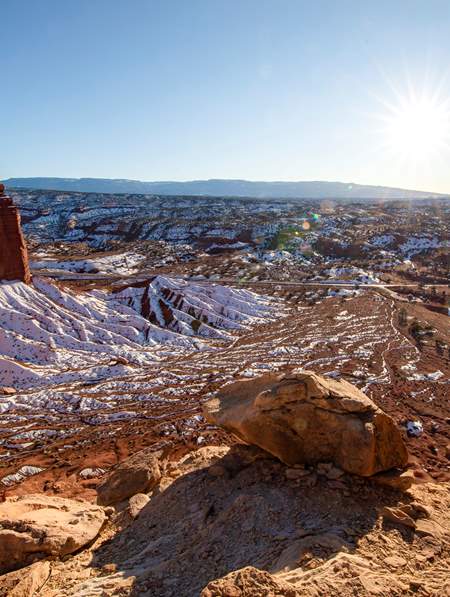
Yes, Grand Staircase-Escalante is open in the winter months. Winter weather near Escalante, Utah, is cold and often windy, and deep snow sometimes covers the ground above 6,000 feet. Some high-elevation areas may be rendered inaccessible by snow between December and mid-March each year.
Some shops and restaurants in the nearby towns of Boulder, Escalante and Kanab close for the winter.
Ensure proper tire tread on vehicles if traveling in the winter, as roads such as the high-elevation, curving Scenic Byway 12 experience slick conditions.
Does the Monument Require Entrance Fees or Camping Permits?
Entrance is free. Overnight permits are required for car camping and backpacking. Stop in at a visitor center for a permit (also available at some established trailheads and campgrounds).
Come Prepared for Heat, Flash Floods, Freezing Temps
Visitors to the backroads should carry plenty of water (at least one gallon (4 liters) per person, per day) and be equipped to get themselves out of any difficulty they might encounter. Summer temperatures can reach over 100° F (38°C) and winters can drop well below freezing at night. Perhaps most importantly, sudden heavy rains may make this road impassable — even for high-clearance, 4WD vehicles.
Visitor Centers and Entrances
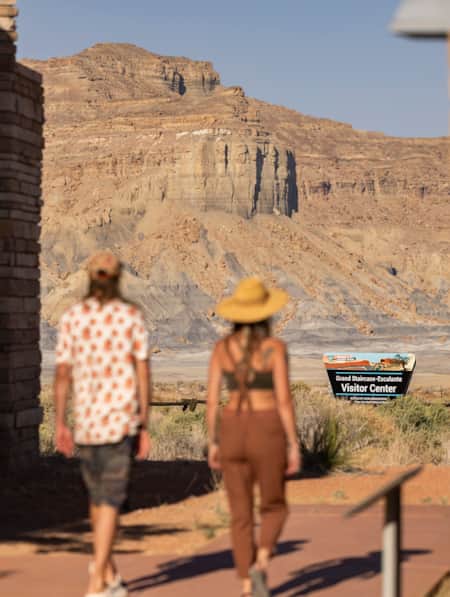
The area has no official entrances, but several visitor centers surround the monument(s). The main visitor center for the Escalante Canyons section is the Escalante Interagency Visitor Center (755 W Main St, Escalante). The visitor center offers maps, great interpretive displays and helpful staff members to answer questions.
The Big Water Visitor Center is an excellent stop on the south side of the monument when visiting Lake Powell, Antelope Canyon and Glen Canyon Dam or hiking one of the numerous trails located within the Grand Staircase region. Learn more about visitor centers.
What's Nearby
-
Anasazi State Park Museum
The Anasazi State Park Museum near Boulder, Utah is the former site of one of the largest Puebloan communities in the region. Learn more and plan a visit!
-
Bryce Canyon National Park
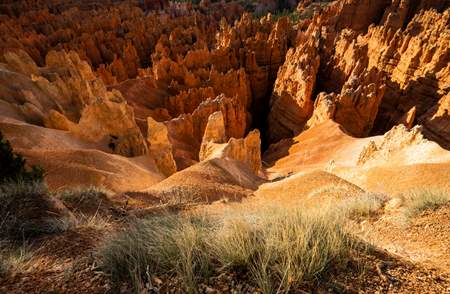
An alpine forest with as many red rock hoodoos as trees. At dawn and dusk, mule deer graze the forested plateau along the road into Bryce Canyon.
-
Capitol Reef National Park
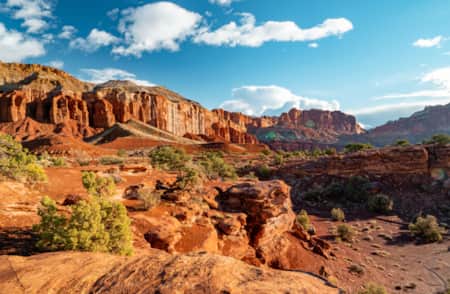
Even considering Utah’s many impressive national parks and monuments, it is difficult to rival Capitol Reef National Park’s sense of expansiveness, of broad, sweeping vistas, of a tortured, twisted, seemingly endless landscape, or of limitless sky and desert rock.
-
Escalante Petrified Forest State Park
The Escalante Petrified Forest State Park is located at Wide Hollow Reservoir. This small reservoir is popular for boating, canoeing, and fishing.
-
Kodachrome Basin State Park
Kodachrome Basin covers 2,240 acres of canyon country and is surrounded by Grand Staircase–Escalante National Monument on three sides.



Read the Stories
-
10 Top Stops Along the National Pioneer Mormon Heritage Area
Here are 10 of the best stops along Utah's Mormon Pioneer National Heritage Area’s backroads and byways. Explore rich Mormon historic sites, awe-inspiring canyons and mountains and unforgettable outdoor adventures.
-
5 Places You Can Try Glamorous Camping in Utah
Experience the fun and adventure of glamping — camping with a side of luxury.
-
A Life Elevated Road Trip
Hit the road with Aaron Millar, host of The Armchair Explorer podcast, as he takes an adventure tour of Utah — complete with audio postcards along the way.
-
A Van Lifer’s Guide to Responsible Travel in Southern Utah
When Utah’s dirt roads are calling you, it’s time to plan your van life road trip. Here’s what you need to know to travel safely, support Utah’s rural communities, and help preserve the delicate desert landscapes.
-
A Winter’s Desert: Visiting Southern Utah in the Slow Months
Experiencing the peace of canyon country in the winter is an attraction of its own.
-
Cycling Scenic Byway 12: Escalante to Boulder
Looking for scenic bike rides in Utah? Scenic Byway 12 has all the breathtaking views (and riding) you could ever hope for. Get the scoop and get ready.
-
Devil's Garden Outstanding Natural Area
-
Dog-Friendly Utah: The Road to Mighty
Want to bring your furry friend on your next vacation? Utah is home to several great dog-friendly national parks and other fun destinations. Check it out and plan your trip!
-
Escalante River Canyon Trail
Located in the Grand Staircase-Escalante National Monument, the Escalante River Canyon river trail winds and knots its way east and south.
-
How to Stay Safe and Stoked as a Solo Woman Traveler
Tips to help keep solo women travelers safe on road trips and outdoor adventures in Utah and beyond. From a gear checklist to suggestions about where to camp and how to handle stressful situations, writer and photographer Elisabeth Brentano shares her experiences.
-
It’s About Time We All Unplugged
In Utah, you can find far-flung places to reset, wellness resorts that promote digital detox, and destinations where you can swap screen time for much-needed adventure time.
-
Kiva Koffeehouse
Kiva Koffeehouse is a welcome stop for fresh food and espresso tucked on a hillside down a dirt driveway near milepost 73 on the scenic byway.
-
Llama Trekking Through Canyon Country
Reconnect with yourself, history and Utah's landscape on a guided llama trek through canyon country.
-
Make Your Next Trip A Volunteer Vacation
At the Best Friends Animal Sanctuary, you can enjoy a getaway to stunning southern Utah while also making a difference in the lives of rescued animals.
-
Ofland Escalante
Airstreams, cabins and RV sites on the grounds of an old drive-in movie theater near Bryce Canyon and Escalante.
-
Soil Sleuth: Protecting Utah's Living Landscapes
Visit Utah writer Kristen Pope met Dr. Jayne Belnap, one of the world’s top experts on biological soil crusts, to learn about the importance of biocrusts to Utah's desert landscapes, and how to protect them.
-
Southwestern Utah's Legendary Panoramas
Wondering where to take pictures in Utah? Our guide to the most breathtaking Utah panoramas is only a click away. Plan a photographic getaway today!
-
The All-American Road: Scenic Byway 12
This is 122.863 miles (to be exact) of pure driving bliss. Welcome to Utah’s Scenic Byway 12, a designated All-American Road.
-
The Creature Comforts of Kanab
Visit Kanab, a welcoming town with classic Western roots and modern-day amenities sitting smack in the middle of Southern Utah’s greatest outdoors.
-
The Ultimate Guide to Utah's Film Scene
From historic art house theaters in downtown Salt Lake City to a vintage drive-in beneath the stars of Grand Staircase-Escalante National Monument, Utah offers movie buffs experiences as dramatic and diverse as its landscapes.
-
Tropic, Utah: Bryce Canyon Coffee Company and The Stone Hearth Grille
Get an introduction to the best-known restaurants in Tropic, Utah — The Stone Hearth Grille and Bryce Canyon Coffee Company. Prepare your appetite!
-
Utah’s Unexpected Pit Stops
Here are 11 mini-adventures to check off your list next time you’re road-tripping through Utah.
-
Walking The Line Between Risk and Responsibility
Why a Hawaii-based highliner and influencer hasn't returned to Utah — yet.
-
Why You Should Ditch I-15 on Your Way to Zion
If you’re not in a rush to get to Zion National Park from Northern Utah, consider taking a long, meandering route that features historic sites, adventure breaks and out-of-this-world scenery. Hop off I-15 and take Highway 89 and four nearby scenic byways to see and do as much as you possibly can on your way to Zion.
-
Winter Road Trip: Where to Stay, Hike and Eat When Traveling from Capitol Reef to Bryce Canyon
Need winter break ideas? Take a road trip from Capitol Reef to Bryce Canyon and enjoy the best of Utah landscapes during its quiet season.